
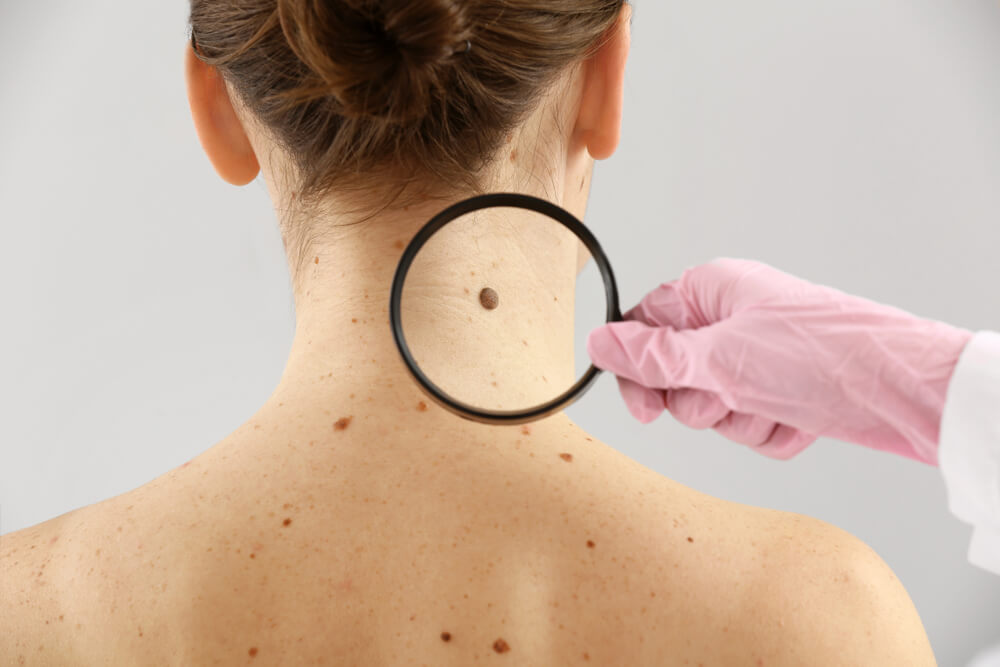
Have you observed a changing skin spot, and you are concerned about whether it is skin cancer? It’s not only you who is concerned about that mole or changing skin spots. Many people in Ireland are worried about the changes in their skin, and they want to know more about the reasons and further actions to prevent these changes from going unchecked.
Many skin changes are harmless but persistent, and changing lesions must be assessed thoroughly and should not be ignored. Skin cancer is one of the most common cancers globally, and it needs awareness and assessment if you notice early signs of skin cancer. You have cloudy weather in Ireland that can lead most people to underestimate the UV exposure, contributing to the leading cause of skin cancer.
Skin cancer can affect anyone, no matter if you have a different skin type or you belong to a specific age group. Therefore, it is important to understand the causes of skin cancer, early signs, prevention, and medical assessment to manage the symptoms and treat skin cancer.
Why People Often Miss the Early Signs of Skin Cancer
Most of the time, you do not experience painful skin changes, and you assume that it is part of growth or ageing. In reality, you might be missing the early signs of skin cancer. Moreover, skin spots or the formation of moles on the skin are part of the natural process related to the skin. Therefore, it becomes really hard to notice the changes in the skin.
Additionally, the false sense of skin protection from the Sun makes it complicated because people believe that skin cancer is only caused by direct sunlight. However, it is wise that you pay attention to each change to your skin spots and any moles and discuss them with your GP to get medical advice and assessment if required.
Instead of following the rumours, false information, and common myths associated with skin cancer, it is important to discover the early stage of skin cancer and discuss the same with your doctor to get medical advice and intervention if needed. Early assessment and intervention can save you from the possible consequences of skin cancer and make the skin cancer treatment easy and effective.
What Counts as a Skin Change Worth Paying Attention To?
It is important to learn and understand the symptoms and signs of skin cancer and spot them early on your skin and report them to your GP to discuss the interventions. Skin cancer can appear in different forms, as discussed below:
A Mole That Doesn’t Look the Same
If you notice a mole on your skin that doesn’t look the same every time you see it, you have probably spotted a key sign of skin cancer. A healthy mole would stay the same over time. However, if you notice a mole that changes colour in different shades like black, pink, blue, or brown, it may be a sign of skin cancer. Similarly, you can confirm it by its shape, borders, and growth pattern. You can also confirm it by other warning signs, including new spots and bumps, non-healing sores, and sensations such as itching, tingling, and feeling tender.
A Spot That Doesn’t Heal
You need immediate attention to your skin if you notice any spot that does not heal within 3 to 4 weeks. You need to consider it a sign of skin cancer if a spot repeatedly clears up and returns at the same location on your skin. You can also judge it through other signs of skin cancer, such as noticing a crusty patch, a bleeding area, and a persistent sore like an ulcer, open wound, or lesions that remain active.
A New Growth
If you notice a pearly bump on your sun-exposed skin areas like the face, neck, or ears, you might be developing a skin cancer spot. Additionally, you can also develop other signs of skin cancer, such as the development of rough patches on your face, scalp, and arms, and you can also develop a small, red, and hard lump that grows rapidly. You need to notice and assess your skin for skin cancer if you observe any dark spots with irregular borders, different colours, and changing diameters.
Skin Cancer Spots Can Look Different From Person to Person
If you have developed skin cancer and you are still observing the cancer spots to match them with the cancer spots, you may mislead yourself because skin cancer spots differ from person to person. This is mainly due to your skin tone, the location of your tumor, and the type of cancer. However, you should pay close attention to any new mark, sore, spot, or lump that changes in size, colour, and shape.
If you get the following conditions with the possible descriptions given below, you need to consult your GP and get an assessment for skin cancer.
- Dark mole: You have developed a dark mole with uneven colour or border
- Pink bump: You have developed a smooth and shiny pink bump on your skin
- Waxy lump: You have developed a Waxy lump that enlarges slowly
- Open Sore: You have developed an open Sore that does not heal
- Scaly Patch: You have developed a scaly patch with a rough texture
Could It Be Something Less Serious?
Despite the serious concerns related to skin cancer, you must be aware that many skin changes are harmless and may result from common and non-cancerous medical conditions. The common causes of skin changes, without causing skin cancer, include:
- Age spots: you may have flat brown spots due to years of Sun exposure
- Benign moles: you may have normal and non-cancerous growth of moles
- Warts: you may observe rough skin growth due to human papillomavirus (HPV)
- Eczema: you may develop a chronic condition that may lead to dry, Itchy, and inflamed patches
- Seborrhoeic keratoses: you may have harmless and waxy growths that appear with aging
- Skin cysts: you may develop small fluid-filled sacs under your skin.
What Happens If You Contact a GP in Ireland?
If you notice the early signs of skin cancer Ireland and contact your GP in Ireland, you can expect the following procedures when you appear before your doctor.
- You will present before your GP to discuss the initial symptoms and your observation of skin cancer.
- Your doctor will carefully assess your skin and check the lesions
- Upon assessment and diagnosis, you may be referred to a dermatologist
- The Dermatologist will carry out further investigation if you need more assessment, diagnosis, and treatment
If you live in Ireland and cannot visit your doctor, you can discuss your condition with an online doctor by accessing online doctor services in Ireland, such as Eirdoc. The concerned online doctor will suggest whether you need further assessment or not.
Five Simple Habits That Help Protect Your Skin Every Day
If you are concerned as well as cautious about your skin and the leading causes of skin cancer, you can adopt the following habits to protect your skin from skin cancer.
- You must regularly check your skin, at least once a month
- You need to use sunscreen even on bright, cloudy days
- You must keep your children away from Sunburn
- You should avoid sunbeds
- You should never ignore changes on your skin and consult your doctor to learn more.
Conclusion
Skin cancer is a leading cancer type in Ireland, and people are curious and cautious about protecting their skin from this cancer. It is very important to observe and notice the early signs of skin cancer and discuss them with your GP to ensure that you get appropriate medical advice and treatment of your symptoms in time. Therefore, it is important to learn different skin cancer signs and symptoms, observe your skin, differentiate between cancerous and normal skin changes, and report the matter in a timely manner to your GP. Developing healthy skin habits can also help you manage your skin health and seek early intervention.
-
1) Can skin cancer appear suddenly?
Yes, skin cancer appears suddenly, and you can observe the aggressive development within the first few weeks. This is especially common in a skin cancer type called melanoma.
-
2) What do early skin cancer spots usually look like?
You cannot exactly tell which skin spots are early signs of skin cancer by checking them visually. However, the normal appearance is new moles, changing shape, colour, and size of existing moles, persistent scaly patches, and sores that bleed and retreatmentturn.
-
3) Is skin cancer common in Ireland?
Yes, skin cancer is the most common cancer in Ireland, with growing cases diagnosed every year. However, 90% of the diagnosed skin cancers are curable, and the symptoms can be managed effectively.
-
4) Can an online GP advise whether I need further assessment?
Yes, your online GP in Ireland can assess the visual appearance of a mole through a video consultation. After visual assessment and discussion about your skin condition, an online doctor can advise you on further assessment.